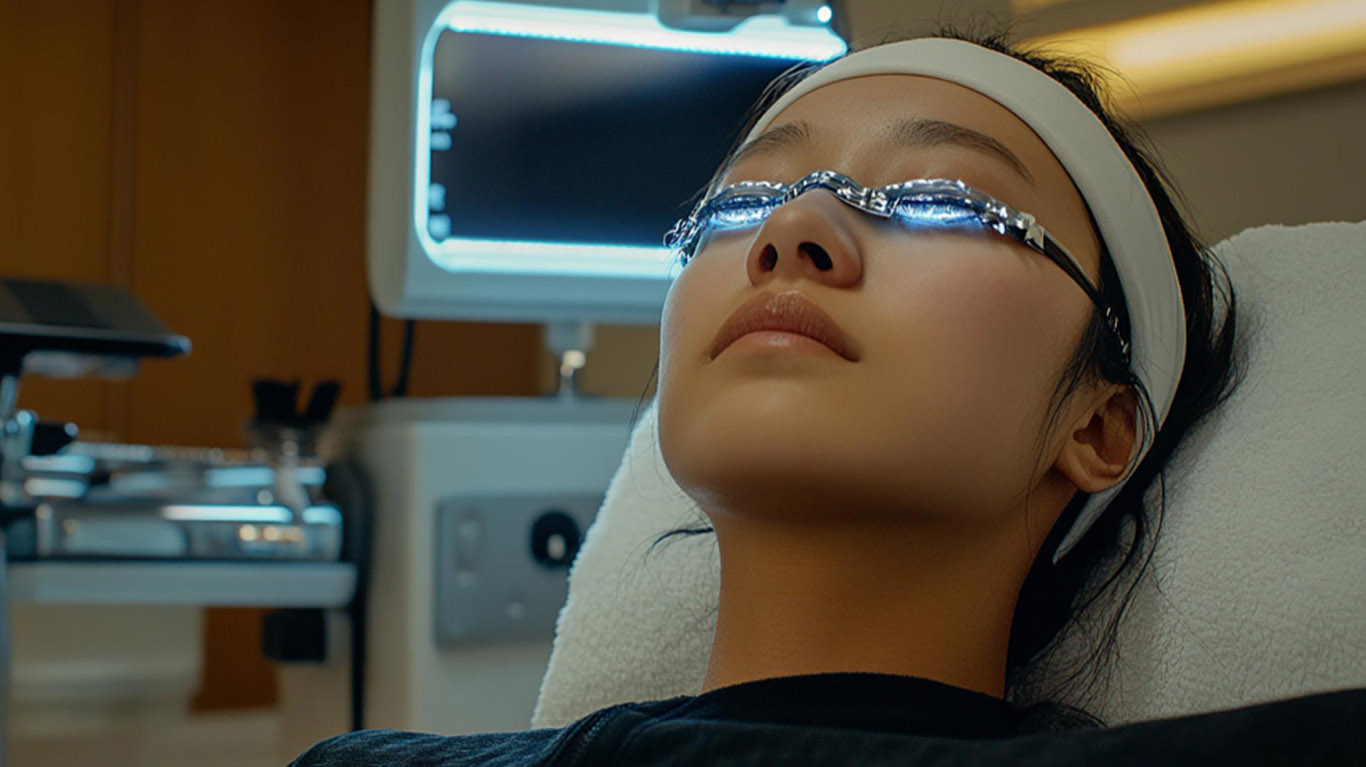
The instinctive objection to cryotherapy is that it sounds unbearable. Minus one hundred and ten degrees for three minutes reads like an endurance test. In practice, most people find it markedly easier than an ice bath — and the reason is physics.
Water conducts heat roughly twenty-five times more efficiently than air. An ice bath at four degrees pulls heat out of you relentlessly, which is why the first thirty seconds are so brutal. A cryotherapy chamber uses dry, circulating cold air, so the skin cools fast but the core does not, and the discomfort stays on the surface where it is tolerable.
What you get in exchange is a powerful vasoconstriction–vasodilation cycle: blood retreats to the core, inflammatory signalling drops, and on rewarming, freshly oxygenated blood floods back to the periphery. Add the endorphin and norepinephrine response and you have the sharp, clean energy lift members describe for hours afterwards.
The practical advantage is adherence. A three-minute protocol that people will actually repeat three times a week beats a fifteen-minute one they quietly abandon.
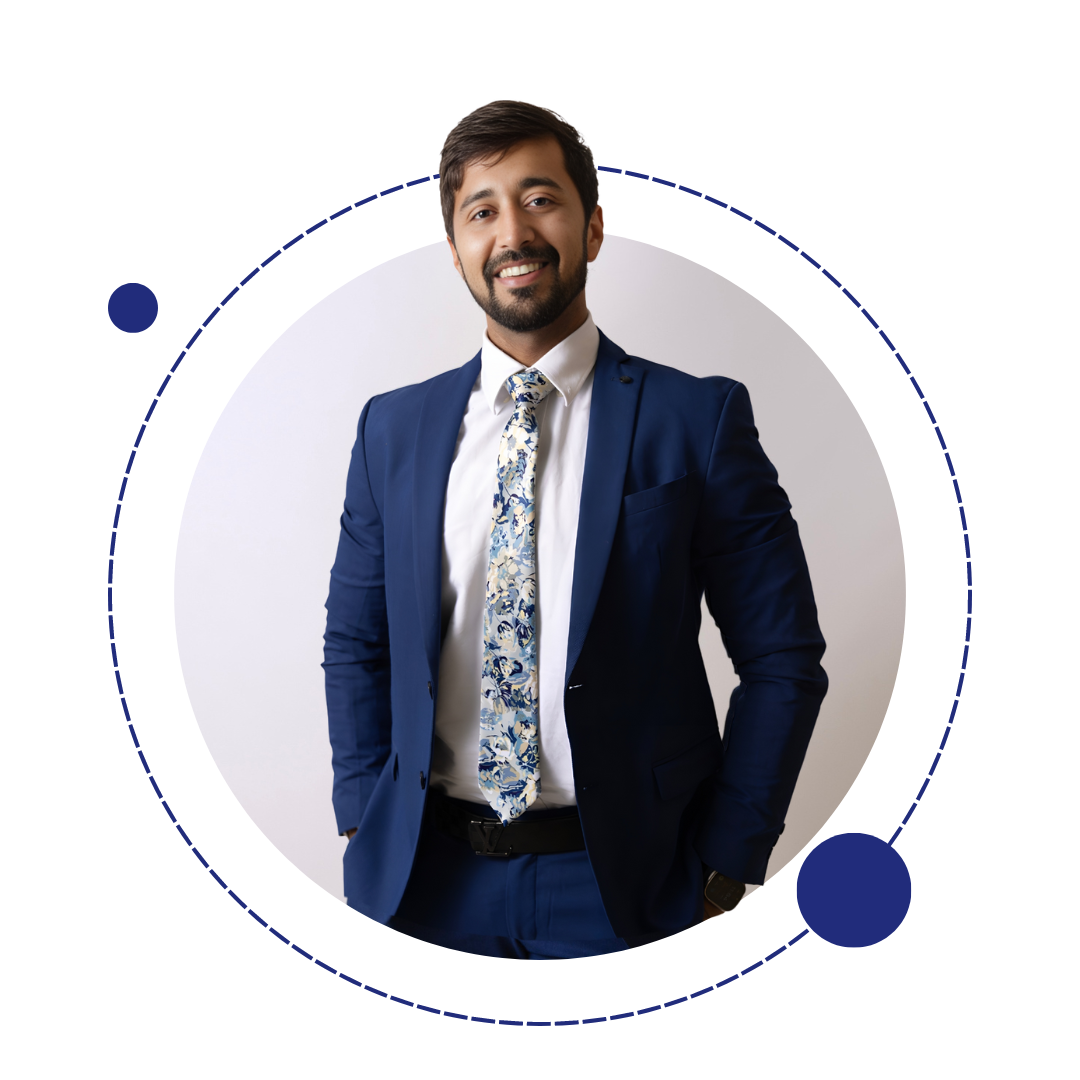
Advanced laparoscopy and cancer surgeon, TEDx speaker, and director of the 200-bed NABH-accredited Jeevan Jyoti Hospital.