Hyperbaric oxygen therapy is one of the most misunderstood therapies we offer, largely because of how it is marketed. People arrive expecting a single session to transform them. What actually happens is more gradual, more measurable, and — for most members — more useful.
Sessions 1–5. The first thing most people notice is sleep. Deeper, less fragmented, easier to fall into. Energy is usually flat or even slightly lower in this window as the body adapts to the pressure and the oxygen load. This is normal and not a sign it is not working.
Sessions 6–15. This is where the cognitive effects tend to show up: fewer afternoon crashes, better sustained focus, faster recall. Members recovering from surgery or soft-tissue injury typically report the sharpest gains in this window, as tissue oxygenation supports repair.
Sessions 16–30. The compounding phase. Inflammatory markers drop, wound healing accelerates, and endurance improves. This is also where the effect becomes durable rather than transient — the benefits persist between sessions instead of fading in a day.
A word on expectations: HBOT is not a cure-all, and anyone selling it as one should be treated with suspicion. It is a well-evidenced adjunct for healing, recovery, and cognitive support. Used alongside diagnostics and a plan, it earns its place. Used alone, in isolation, it disappoints.
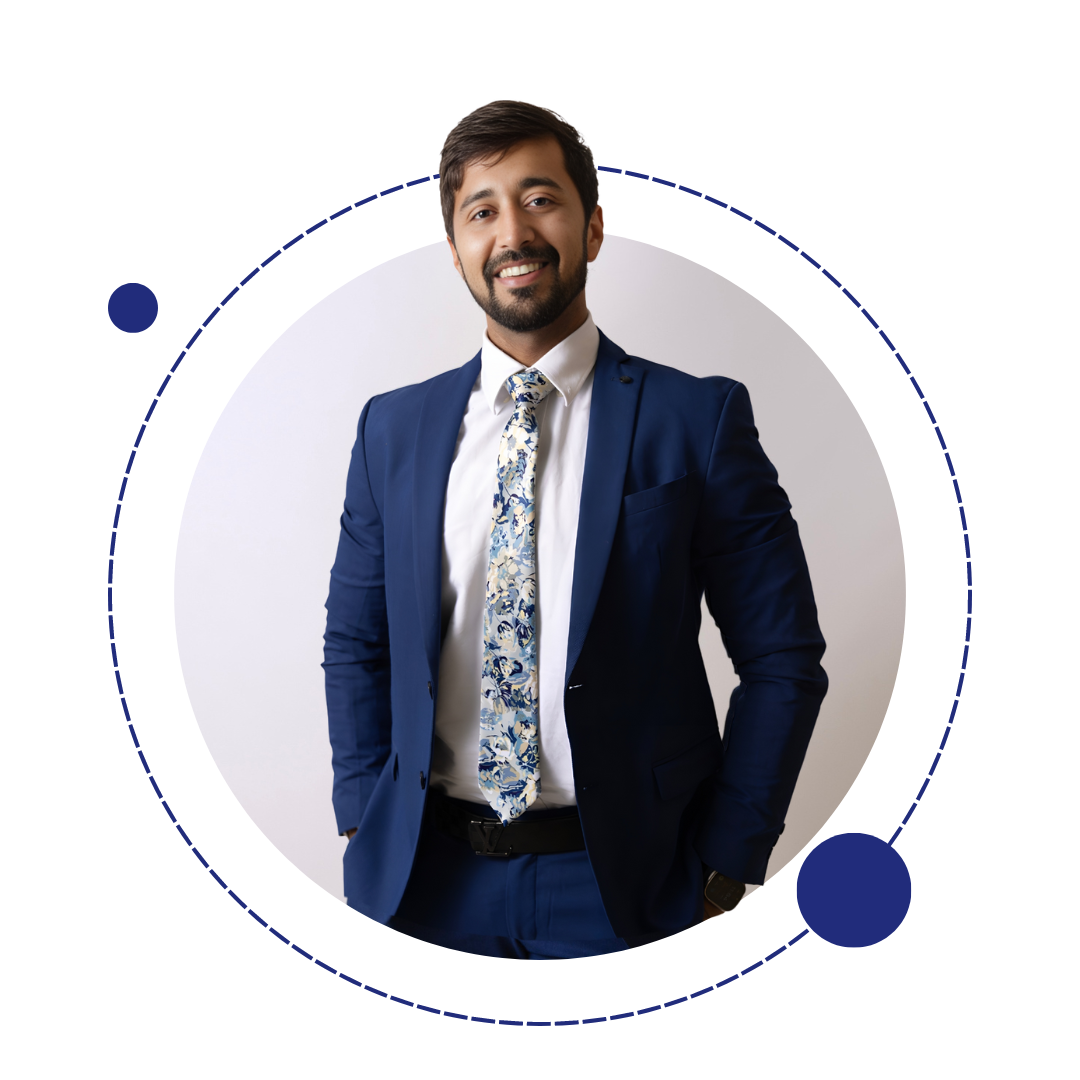
Advanced laparoscopy and cancer surgeon, TEDx speaker, and director of the 200-bed NABH-accredited Jeevan Jyoti Hospital.