Most of the people we see are not short of stimulation. They are short of a reliable way to come down from it — and the nervous system, left to its own devices, does not simply switch off because the working day has ended.
Far infrared warms the body directly rather than heating the air around it, which is why it feels gentler than a traditional sauna at a fraction of the ambient temperature. That gentleness matters: it allows a longer, more sustained session, and it is the duration of the parasympathetic shift that drives the benefit.
The sleep effect is the one members report most consistently. A sauna session in the early evening produces a passive rise in core temperature, and the compensatory drop that follows is a strong sleep-onset signal. The result, for many, is falling asleep faster and waking less.
The circulatory and detoxification benefits are real too — but if you take only one thing from this, take the evening slot and watch what happens to your sleep over a fortnight.
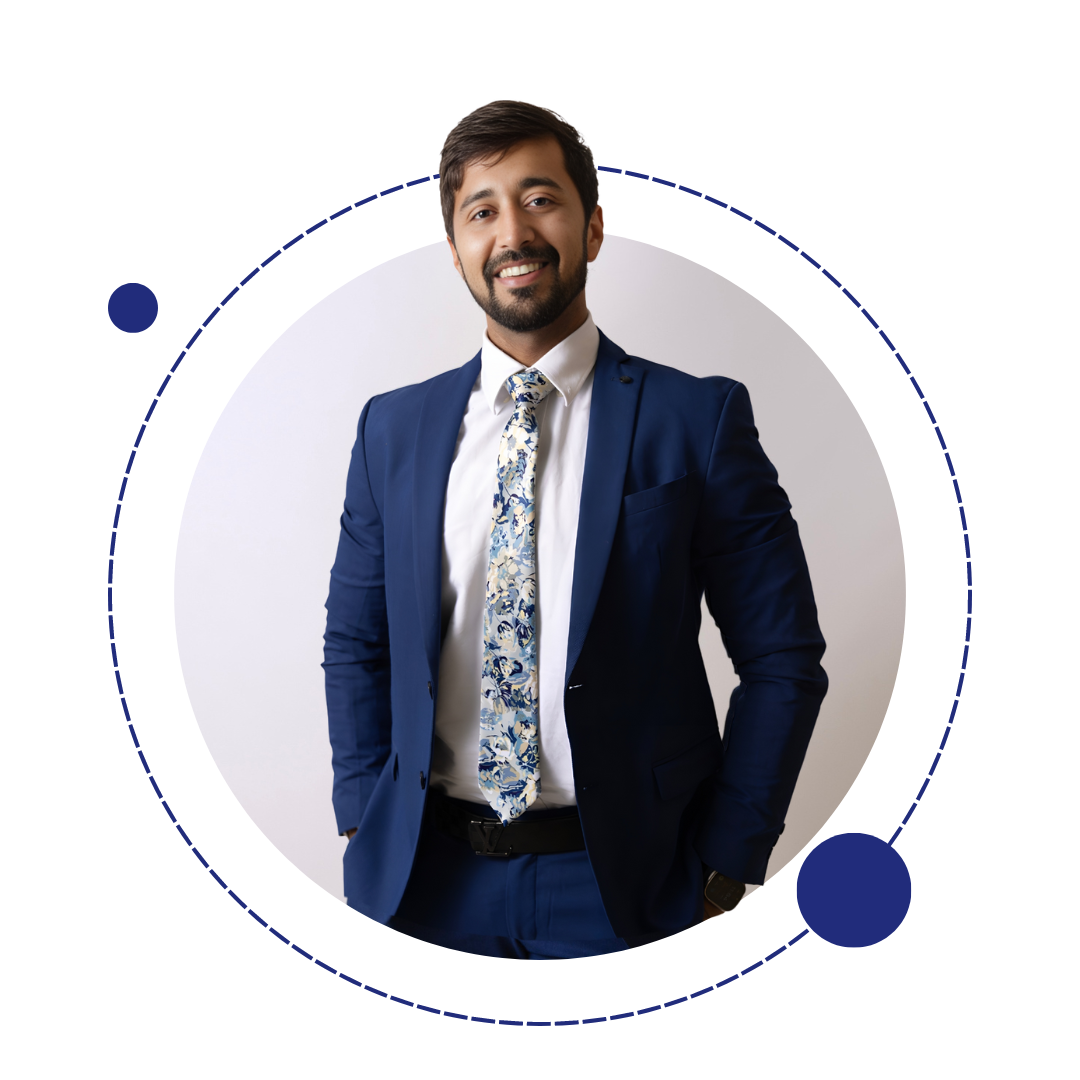
Advanced laparoscopy and cancer surgeon, TEDx speaker, and director of the 200-bed NABH-accredited Jeevan Jyoti Hospital.